how to choose the right preschool in astana
- SchoolYou know what's funny? Astana used to have maybe a handful of preschools. Now? They're everywhere. Which sounds great until you actually have to pick one for your kid.
I get it. You're scrolling through websites, all of them look amazing with their colorful photos and big promises. One says "best curriculum," another says "international standards," and you're sitting there thinking... okay, but which one is actually good for MY child?
Picking a preschool in Astana feels huge because, well, it is. This is your baby's first time out in the world without you. You want somewhere safe, somewhere they'll be happy, somewhere they'll actually learn something useful.
So let's talk about this. No fancy education jargon. No sales pitch. Just real talk about how to choose a preschool in Astana that works for your family.
Why This Decision Keeps You Up at Night (And Why That's Okay)
Look, preschool isn't just somewhere to drop your kid while you work. I mean, yes, that's part of it. But it's also where they learn basically everything about how the world works outside your home.
Think about what your three-year-old is learning right now:
- How to share their favorite toy (spoiler: they hate it at first)
- That hitting isn't okay even when they're really, really mad
- How to use words instead of just crying when something's wrong
- That other kids can be fun to play with, not just competition for mom's attention
A good preschool helps with all of this. A bad one? Your kid might come home more confused or anxious than when they left.
That's why you're researching. That's why you're reading this right now. And honestly? The fact that you care this much already means you're going to figure it out.
What's Actually Out There in Astana
Before you start visiting places, let's break down what you're going to find. There are basically three types, and they're pretty different from each other.
Nursery Schools in Astana
Nursery schools in Astana are for the really little ones—like 2 to 3 years old. Maybe 4 if they're not quite ready for regular preschool.
These places are gentler. Your kid isn't going to be doing math or reading. They're going to play, maybe sing some songs, have snack time, take a nap. The point is getting them comfortable being away from you and around other kids.
If this is your child's first time in any kind of school, nursery is a soft start. No pressure. Just getting used to the idea that the world is bigger than just home.
Regular Local Preschools
These are the ones most families in Astana know about. They follow Kazakhstan's system, teach in Kazakh or Russian, and usually cost less than the international ones.
The way they teach is... traditional, I guess you'd say. Everyone sits together, does the same activity, learns the same thing. It's structured. Familiar. If you went to school in Kazakhstan, this is probably what you remember.
Nothing wrong with this, especially if you're planning to keep your child in local schools all the way through.
International Preschools in Astana
An international preschool in Astana is a whole different thing. They use programs from Canada, Britain, America—places like that. The classes are in English. The teaching style is more about letting kids explore and figure things out themselves.
These schools are good if you're thinking about international schools later, or if you want your child speaking English like it's their first language.
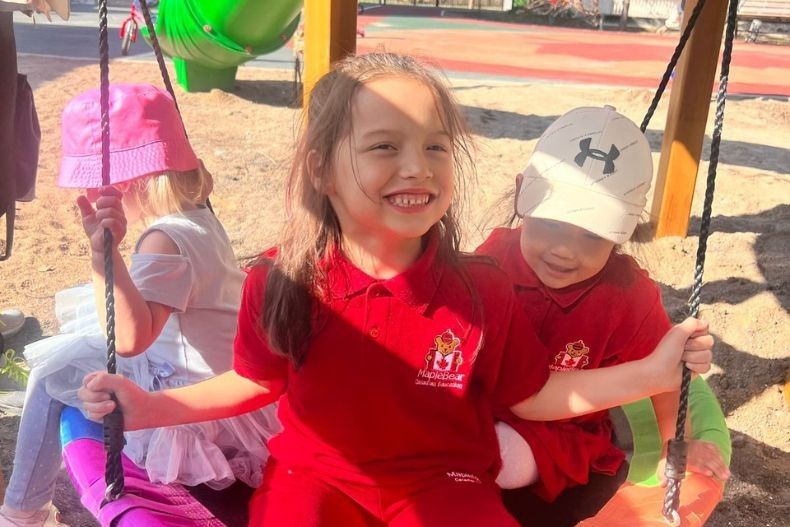
Maple Bear Kazakhstan does this Canadian-style approach where kids learn by actually doing things, not just sitting and listening. They play, they build stuff, they ask questions. And somehow in all that playing, they're actually learning. It's structured but doesn't feel strict, if that makes sense.
What Actually Matters When You're Comparing Schools
Alright, enough background. Let's get into what you should actually be looking at.
How Do They Teach?
Some preschools in Astana are very academic. Lots of sitting. Lots of worksheets. Your four-year-old is learning to write letters and count to 100.
Other schools are more about play. Kids are moving around, building towers, pretending to run a store, painting a mess on big paper.
Here's the thing—research shows little kids learn better when they're moving and doing, not sitting still. Their brains aren't wired for lectures yet.
When you tour a school, ask them straight up: "What does a normal day look like?" If they start talking about circle time and worksheets for hours, maybe keep looking. If they talk about how kids learn shapes by building with blocks, that's more like it.
Who's Teaching Your Kid?
This matters so much. Your child is going to spend hours every day with these people.
You want teachers who actually studied early childhood education. Not just someone who's good with kids. Someone who knows what to do when your child won't stop crying, or hits another kid, or refuses to participate.
Questions to ask:
- Did your teachers study early childhood education specifically?
- How many kids per teacher? (Less is better—10 kids per teacher max is good)
- Do teachers get training or do they just wing it year after year?
And when you visit, watch the teachers. Are they patient when kids are being... well, kids? Do they seem genuinely happy to be there? Or do they look stressed and tired?
Kids pick up on this stuff. A burnt-out teacher isn't going to give your child a good experience.
Is It Actually Safe?
I know, I know. Every school says they're safe. But you need to check yourself.
Walk around. Can anyone just walk in from outside? Are the gates locked during school hours? When kids are on the playground, are there enough adults watching?
Check the bathrooms. Are they clean? Are they kid-sized so your three-year-old can actually use them?
Look at the toys and equipment. Broken stuff? Sharp edges? That's a problem.
If you want to get really thorough about this, there's this article about safety at nursery schools in Astana that goes through everything you should be checking.
Don't feel weird about asking a million safety questions. Any school worth your money will appreciate that you care.
What Language Are They Speaking?
A lot of parents in Astana want their kids learning English early. Makes sense—it opens up a lot of doors later.
But here's the key: your kid needs to actually USE English all day, not just have an "English lesson" for 30 minutes.
If English matters to you, find an international preschool in Astana where kids are speaking it during play, during lunch, all the time. That's how they actually get fluent. Not from worksheets.
Can You Actually Get There Every Day?
Be real with yourself here.
Is the school close enough that drop-off won't make you late for work every single day? Can you pick up on time, or will you constantly be the last parent there with a sad kid waiting?
Is there parking, or will you be circling the block every morning?
Does your child have to wake up at 5 AM to make it work? Because a cranky, sleep-deprived preschooler isn't learning much anyway.
Sometimes the best preschool in Astana on paper isn't the best for YOUR family's reality.
How to Actually Figure Out Which School is Right
Reading websites only tells you so much. Here's what you actually need to do:
Go visit. In person. Call ahead, schedule a tour, and go see the place yourself. Photos can make anywhere look good. You need to see what it actually feels like.
Walk through the classrooms. Are they bright and inviting or kind of dark and depressing? Can you imagine your child happy there?
Try to watch a class. Most schools will let you sit in the back and observe for a bit. Do it.
Watch how the teacher manages the group. Are the kids engaged or are half of them zoned out? When a kid starts crying or acting up, how does the teacher handle it?
Find parents who actually go there. If you know anyone with kids at a school you're considering, ask them the real deal. They'll tell you stuff the school never would—like if communication is terrible, or if teachers quit all the time, or if their kid actually loves going.
Trust your gut feeling. This is important. If you walk into a school and something feels off—even if you can't put your finger on what—listen to that. Your instincts about your child are usually right.
Good schools like Maple Bear Kazakhstan want you to ask questions and take your time deciding. They know this is a big choice. Schools that try to rush you or make you feel bad for asking questions? Run.
Questions You Need to Ask (Write These Down)
Don't leave the tour without getting answers to these:
- What happens when my child has a hard time adjusting?
- How do you handle kids who fight or won't share?
- How will I know what my child did today—do you send updates?
- What if my kid is ahead of the group, or behind?
- When kids misbehave, what do you actually do?
- How do you prepare them for primary school?
Listen to HOW they answer, not just what they say.
Vague answers like "we handle it professionally" mean nothing. You want specifics. "We give them time to calm down, then help them use their words to explain what happened" is way better.
Why International Schools Are Getting More Popular
You've probably noticed more international preschools in Astana lately. There's a reason parents are choosing them.
For one, these schools use teaching methods that have been tested and proven worldwide. It's not just someone's random idea of how kids should learn.
English fluency is another big thing. Kids who start young don't just learn English—they THINK in English. They sound natural, not like they're translating in their heads. That's a huge advantage later.
And honestly? If you're even slightly considering an international primary school later, starting your kid in an international preschool just makes life easier. They already know how things work. The transition isn't scary.
Places like Maple Bear aren't trying to make kids forget they're Kazakh or anything like that. It's about giving them more tools. They can be strong in their own culture AND comfortable in English. That's powerful.
Making Your Decision Without Losing Your Mind
Here's the truth: you're not going to find a perfect school. Perfect doesn't exist.
But you CAN find the right school for YOUR kid. And those aren't the same thing.
What you're looking for:
- Somewhere your child actually seems comfortable when you visit
- Teachers who seem like they genuinely care (you can always tell)
- A place where kids are learning but also having fun
- Good communication so you're not left guessing what happened today
Visit a few places. Bring your child to your top two choices and see how they react. Kids have good instincts about this stuff.
Maple Bear Kazakhstan uses well-respected Canadian methods, which a lot of families like. But I'm not going to tell you it's right for everyone. Maybe your child does better in a smaller, cozier local preschool. Maybe you want something different entirely.
Only you know your kid. Only you know what your family needs.
The fact that you're doing this research, asking these questions, caring this much—that tells me you're going to make a good choice. Trust yourself.
Quick Answers to What Parents Always Ask
When should I actually start looking at preschools?
Most kids start between 2.5 and 4 years old. If your child can be away from you for a bit without falling apart, and they seem interested in other kids, they're probably ready.
Are international schools actually better?
Not better—different. International means English and global methods. Local means familiar culture and usually costs less. Pick what makes sense for your family's situation and plans.
How do I know if my kid is ready?
Can they handle you leaving for an hour? Are they curious about other kids? Those are good signs. But honestly, every child is different. You know yours best.
Is English at this age really necessary?
Only if you want them truly fluent later. Young kids pick up languages crazy fast. But if English isn't important to your family's future, don't stress about it.
What if I pick the wrong school?
You can always change schools. It's not a lifetime commitment. If something isn't working after a few months, you can move them. Don't let fear of making the wrong choice paralyze you.
tags:
Tags,