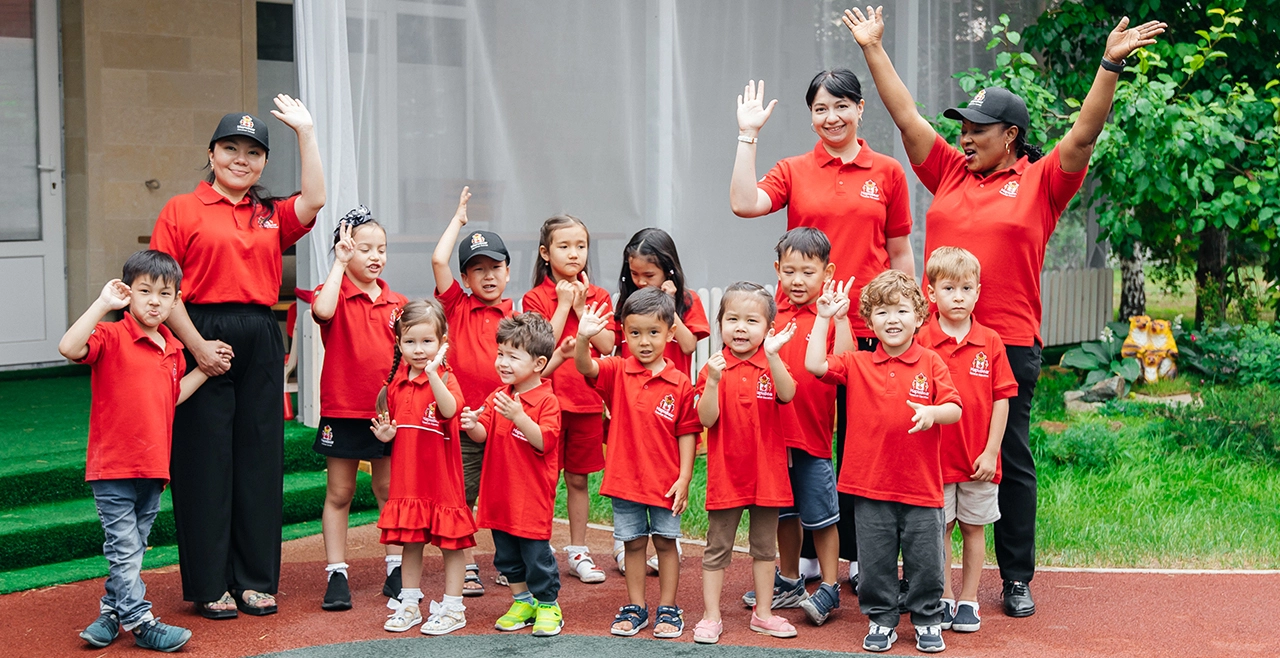
Leaving your little one at a nursery school in Astana for the first time is scary. Your mind races with questions: Will they be okay? Is the building secure? What if they get hurt? What if they get sick?
These worries are normal. Every parent feels them. Safety isn't just important—it's everything. You need to know your child is protected, watched over, and cared for properly.
Let me walk you through what safety really means at preschools in Astana, and give you a practical checklist to use when visiting schools. We'll also look at how Maple Bear Astana handles safety, since they set a high standard in the city.
Safety isn't just one thing. It's a lot of different pieces working together.
A safe nursery school means:
When all these pieces fit together, you get a place where your child can learn and play without risk.
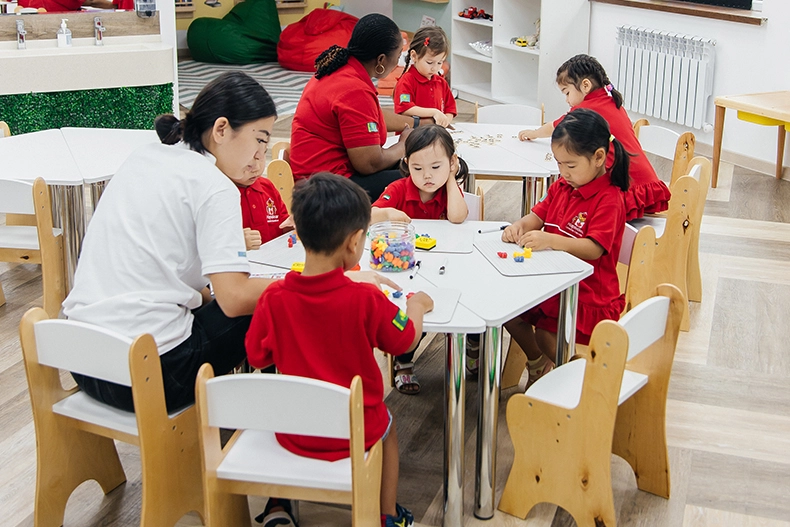
Maple Bear takes safety seriously. It's not just talk—it's built into how they run their preschool in Astana.
At Maple Bear, all entry points are strictly monitored. Nobody gets in without permission. The doors stay locked. Every person entering is checked and logged.
This isn't about being unfriendly. It's about knowing exactly who's in the building with your children at all times.
Maple Bear has a licensed nurse on the premises at all times—not just during certain hours.
Every single staff member is certified in pediatric first aid. If something happens, they know what to do immediately. They don't have to wait or guess.
Little kids touch everything. They put things in their mouths. They share toys. This means germs spread fast.
Maple Bear has a thorough sanitation policy. Surfaces get cleaned regularly. Toys get disinfected. Bathrooms stay spotless. They don't cut corners on cleanliness.
Maple Bear trains staff in emergency procedures. They practice fire drills. They have evacuation plans. Everyone knows what to do and where to go if something serious happens.
Parents don't think about this stuff until they need it. But Maple Bear thinks about it constantly.
The physical environment matters more than people realize.
Walk into a Maple Bear classroom and you'll see the difference. These spaces are purpose-built for young children. Everything is designed at their level and safe for them to use.
Furniture has rounded edges. Materials are age-appropriate. The layout lets teachers see every corner of the room.
All equipment meets safety standards. No toxic materials. No small parts that could be choking hazards. Everything is chosen carefully based on what's safe for each age group.
The play equipment gets inspected regularly. If something breaks or wears out, it gets fixed or replaced right away.
Kids need outdoor play. Fresh air and running around are important for their development.
Proper fencing keeps kids contained. Soft surfaces under play structures help prevent serious injuries from falls. Teachers supervise outdoor time just as closely as indoor time.
The people watching your child matter most.
Maple Bear teachers go through special training in Canadian methodology. This isn't just about teaching ABCs—it includes child safety, development, and proper supervision.
They also get ongoing professional development. Safety training doesn't stop after hiring. It continues as long as they work there.
Having enough adults in the room makes a huge difference. When teachers aren't overwhelmed by too many kids, they can actually watch everyone properly.
Good preschools keep their group sizes reasonable. They make sure there are enough eyes on the children at all times.
Kids move fast. They get into things. They need constant watching.
At a good nursery, children are never left alone. There's always an adult nearby who's paying attention. Not on their phone, not distracted—actually watching.
Keeping kids healthy means having clear rules about illness, food, and cleanliness.
Good nurseries have clear illness policies. If a child is too sick to be there, parents get called. This protects all the other children from catching whatever's going around.
Some nursery schools in Astana do quick health checks when kids arrive—like a quick temperature check or noticing obvious signs of illness. It's a simple way to catch problems early.
If your preschool serves meals or snacks, ask about their food preparation. How do they handle allergies? How do they prevent cross-contamination?
This matters a lot, especially if your child has serious food allergies.
A safe nursery has cleaning schedules that get followed every single day—not just when someone remembers.
How often do they clean toys? Bathroom surfaces? Door handles? Tables? These details matter.
You can't be there in person, but you should still know what's happening.
Maple Bear believes parents should see what happens during the day. They use a mobile app that gives you real-time updates—photos, activities, what your child ate, and how they're doing.
You're not left wondering. You get to stay connected even while you're at work.
Good preschools tell parents immediately when something important happens. No hiding incidents or hoping you won't notice.
Safety concerns change and new policies get added. Parents should be kept in the loop about anything affecting their children.
Nobody wants to think about emergencies. But schools need to be ready for them.
Does the nursery practice evacuations? Do the teachers know where to take the kids? Do the kids know what to do when they hear the alarm?
Regular drills make sure everyone stays calm and knows the plan if a real emergency happens.
What if a child has a severe allergic reaction? Stops breathing? Has a seizure?
Staff need specific training for these situations. They need to know how to respond fast and correctly. Pediatric emergencies are different from adult emergencies.
Maple Bear doesn't just meet minimum requirements. They train staff beyond what's required. They practice scenarios. They make sure everyone on the team knows exactly what to do.
When you visit nursery schools in Astana, bring this checklist. Ask these questions. Look for these things.
Don't be shy about asking these questions. Any good preschool will be happy to answer. If they get defensive or vague, that's a red flag.
Let me sum up what makes Maple Bear different when it comes to safety:
Maple Bear doesn't just meet Kazakhstan regulations—they exceed them. They bring global best practices to their Astana campus.
If you want to see this for yourself, book a tour. Walk through the building. Meet the teachers. Ask your questions. See if it feels right for your family.
Ready to visit? Book a tour at Maple Bear Astana and see their safety measures in person. Visit maplebear.kz to schedule your visit.
Most nurseries accept children from age 2 or 3. Maple Bear has programs starting from early nursery age. Contact them for specific age requirements.
No, this varies. Maple Bear has a licensed nurse present at all times, which is above the standard. Always ask about medical staff when visiting schools.
Ask to see certifications. Ask about their training programs. Good schools will share this information openly. Maple Bear teachers receive Canadian methodology training plus ongoing development.
Talk to the school first. If concerns aren't addressed, you have the right to move your child. Trust your instincts—if something feels wrong, investigate further.
Absolutely! You should always book a school tour before making a decision. Walk through, ask questions, and see how the place feels. No good school will refuse a visit.